Elevating Guest Stays: The Art of Impeccable Hotel Cleanliness
Shannon Matthews
6 Comments
Elevating Guest Stays: The Art of Impeccable Hotel Cleanliness
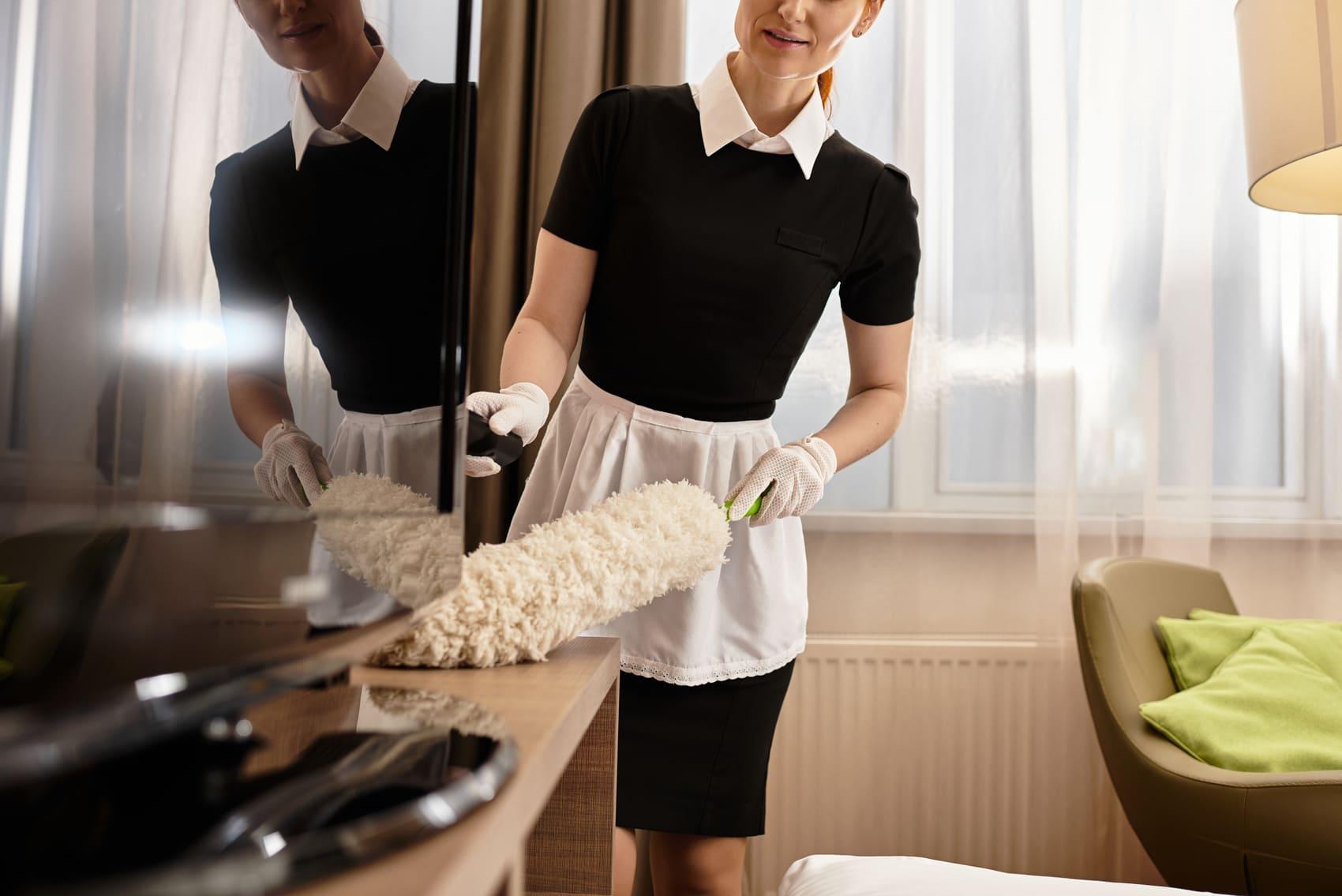
Traditional manual cleaning offers unparalleled adaptability, addressing specific room challenges with human judgment. However, operational efficiency fluctuates based on staff training and stamina, leading to varied cleaning times. Standardization consistency, though supported by training, may show minor individual performance differences. This method thrives on personal responsibility.
For cost-effectiveness, manual cleaning involves labor and supplies, with lower initial capital investment. Long-term value hinges on staff retention and continuous training. Its impact on guest satisfaction is high when executed flawlessly, as guests appreciate the personal touch and thoroughness human cleaners provide, influencing their perception of care.
Automated cleaning solutions excel in operational efficiency for repetitive, large-scale tasks. Robots operate continuously, significantly reducing cleaning times for floors or air purification. Standardization consistency is a major strength; machines perform tasks identically, ensuring uniform cleanliness across all treated areas, minimizing human error.
For cost-effectiveness, automated systems require substantial initial investment but can reduce long-term labor costs and optimize resource consumption. Maintenance and technology upgrades are ongoing. The impact on guest satisfaction is indirect but significant; consistent cleanliness contributes to a perception of modernity and high standards, enhancing trust.
Hybrid integrated systems offer a compelling balance. They leverage technology for speed and consistency in routine tasks, while human staff focus on intricate details and problem-solving. This approach optimizes operational efficiency by intelligently allocating resources. Standardization consistency is elevated as technology provides foundational cleanliness, allowing human teams to meet exacting standards.
The cost-effectiveness of hybrid models optimizes labor, reduces waste, and improves productivity. Initial investment is moderate, combining automation with existing staff. Value is derived from enhanced efficiency and superior outcomes. For guest satisfaction, this approach often yields best results, benefiting guests from consistent, high-tech cleanliness and personalized human attention.
For establishments prioritizing personal touch and flexibility, particularly boutique hotels or unique room designs, traditional manual cleaning remains highly effective. It allows immediate adaptation and fosters personal accountability, influencing positive guest feedback and perceived attention to detail.
Hotels maximizing operational scale and consistent baseline cleanliness, especially larger chains or high-occupancy properties, should explore automated cleaning solutions. These systems provide predictable, efficient cleaning for common areas and repetitive tasks, freeing human staff for complex duties, ensuring foundational hygiene.
The most versatile and often optimal choice for many modern hotels is the hybrid integrated system. This approach allows DustifyDoti clients to capitalize on human expertise and technological efficiency. It’s ideal for properties aiming for superior guest satisfaction through consistent, data-driven cleanliness and meticulous human-led detailing.
Ultimately, selection hinges on specific operational goals, property size, and desired guest experience. Evaluating long-term benefits against initial outlay is crucial. A thorough assessment of current cleaning challenges and future aspirations will guide optimal integration, ensuring impeccable cleanliness for every guest.

Scott Schmidt
This article provides a really clear and insightful breakdown of cleaning approaches. I particularly appreciate the focus on guest satisfaction. It's crucial for our brand.

Camila Castro
Thank you for your feedback. We aim to offer practical perspectives for enhancing hotel operations and guest experience.

Christina Hoffman
The comparison of hybrid systems is interesting. I'm curious about the specific types of smart tools mentioned. Could you elaborate on typical examples?

Greg Kelly
Indeed. Smart tools often include robotic vacuums, UV-C disinfection wands, IoT sensors for air quality monitoring, and data analytics platforms for optimizing cleaning routes and schedules.

Kevin Olson
Excellent overview! It highlights the strategic importance of cleanliness beyond just basic hygiene. DustifyDoti clearly understands the nuances of the hospitality sector.

Olivia Murray
We're glad you found it valuable. Our goal is to support the industry in achieving excellence in all aspects of guest care.
Leave a Comment
Our Services
News
© All Rights Reserved
 DustifyDoti